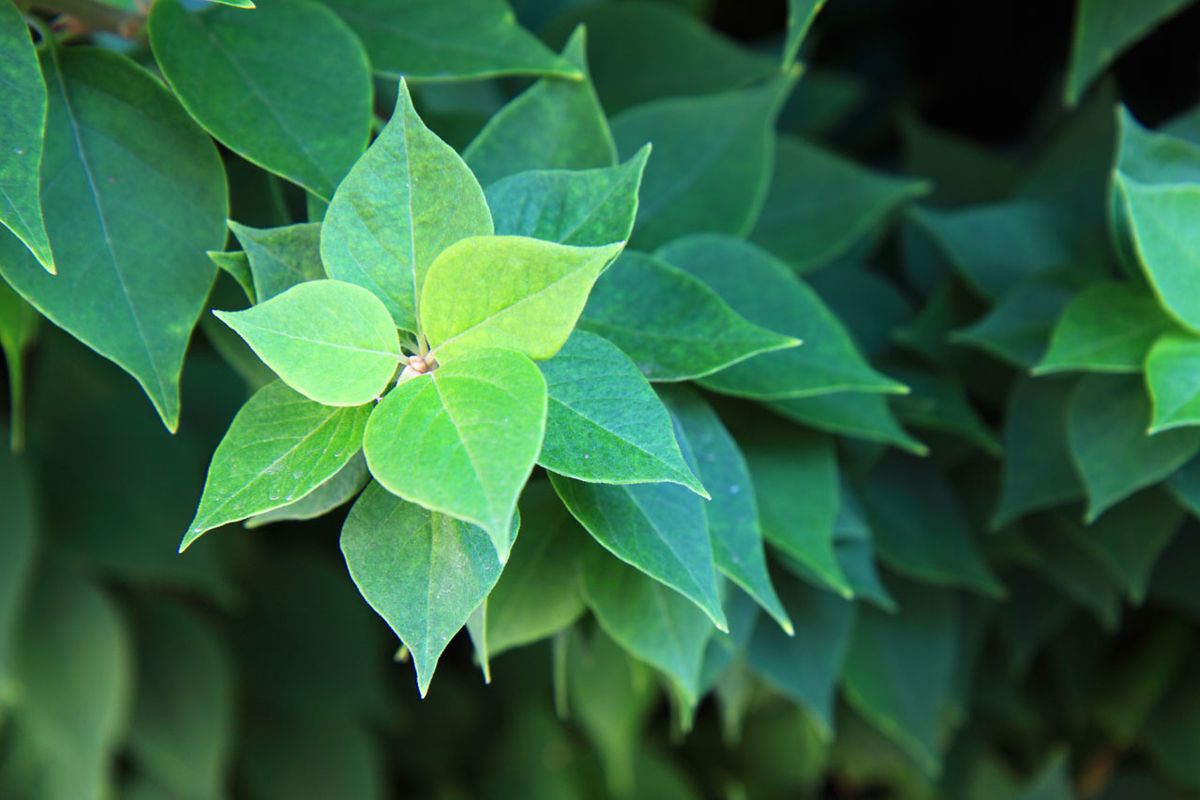
Controlling Aphids

Filed under: Gardening — Savvy Housekeeper at 8:38 am on Thursday, June 30, 2011


[Courtesy Luc Viatour]

Ugh.

Aphids, as I have learned first hand, come in many colors. I have seen then in green, gray, black, white, and red. Sometimes they have wings and sometimes they they don’t. But despite their changing appearance, aphids always do the same thing: clump on the ends of your plants and slowly suck the life out of them.

I may be jinxing myself by writing this, but I have been gaining control of my aphid problem lately. My garden is changing over the years, and as it does, it is becoming more balanced and the aphids (knock on wood) are less of a problem. Of course, as these things go, now I have a cutworm issue instead, but let’s focus on the positive: getting rid of aphids. Here’s what worked for me:

1. Observe The Aphids. The first step of getting rid of any pest is to observe what is happening in the garden. Are the aphids there on their own or are they being put there by ants that want to feed on the sugary honeydew the aphids secrete? (Read more about the relationship between ants and aphids here.) Are the aphids attacking all the plants or just one kind of plant? How are they getting into the garden? Think of this step as information gathering. If you know what is going on in the garden, it is much easier to act effectively.

2. Attract Beneficial Insects. Last year I talked about putting in plants that attract predatory insects in the garden. This really works. My garden is full of insects that were simply not there a few years ago–ladybugs, soldier beetles, predatory wasps, etc. This is the best way to control your aphids since you don’t have to do a thing because the bugs do it for you. For example, this winter my fava beans had aphids. Before I could react, a bunch of soldier beetles descended and ate the aphids up for me. The downside is that is a slower control method–it took about a year to start seeing results–but you can jump start the process by buying ladybugs in the store and releasing them into your garden.

3. Kill Ants. Often the aphids aren’t really the problem, the ants are. If you have both aphids and ants streaming into your garden, the ants are probably putting the aphids on the plants. If that’s the case, you can remove the aphids all you want but the ants will just put more of them on your plants. Thus it’s more efficient to kill the anthill and stop the problem that way. This is still a struggle for me because ants are hard to kill.

4. Spray Aphids Off With Water. If the plant can handle it, spray the aphids off with the hose. Even assuming they could survive, aphids are not smart enough to regroup and go back on your plant. This works great for established plants, but won’t work for seedlings or more delicate plants that will bruise from the water.

5. Use A Gentle Insecticide Soap.
Finally, I preemptively spray areas that I know are vulnerable to aphids with insecticide soap. In particular, I always spray the new growth on my squash plants, which is apparently an aphid paradise. Use insecticide soap that says you can use “up to the day of harvest” and doesn’t harm bees. Or make your own.

That’s my method. How do you control aphids? And what about ants?

How To Make A Book Light

Filed under: Recycling — Savvy Housekeeper at 8:28 am on Wednesday, June 29, 2011

Here’s a cool project: how to convert a book into a lamp. The tutorial goes over how to “scalp” the book, build a frame for the light, insert the LEDs into the lamp, and put it all together.

It looks like this project takes a little skill–”basic soldering and some rudimentary wood cutting,” according to the site–but the results are so cool.

Someone make me a book light. [Boing Boing]

How To Refresh Stale Tortillas

Filed under: Money — Savvy Housekeeper at 8:18 am on Tuesday, June 28, 2011


[Courtesy What's Cooking America]

This weekend, I tried a tip to refreshen stale tortillas and it worked so great I had to share.

If your tortillas have gone stale, either from age or your accidentally leaving the bag open in the bag (as in my case–whoops), simply take wet a paper towel and spread it in the center of the stack of tortillas, then microwave for 60 seconds. The moisture will redistribute through the tortillas and they will be fresh and ready to use.

I tried this with flour tortillas, but I hear it will work with corn tortillas too.

Build Your Own Outdoor Movie Theater

Filed under: DIY — Savvy Housekeeper at 8:13 am on Monday, June 27, 2011

There’s an article in Wired on How To Build Your Own Outdoor Movie Theater.

Dave Banks wanted a outdoor movie theater–which consisted of a projector, dvd, two speakers and a large screen–but he didn’t want to pay the retail price of $3,499 for one, so he made his own. He even made the 12′ x 6′ screen with pvc piping, buckets, rope, cement, and a piece of blackout cloth.

The total price, which included $125 for help assembling the screen, was only $248.

That’s some pretty awesome savings for a bit of work. [Lifehacker]

Make A Rope Wall

Filed under: DIY — Savvy Housekeeper at 8:36 am on Friday, June 24, 2011

Morgan Satterfield from The Brick House put up a project on how to make a rope wall. It’s a stylish room divider that is especially great for big open spaces.

To make the rope wall, Morgan that wood boxes custom built “with evenly spaced rope sized holes drilled through the top and bottom.” The ropes were strung through the top and tied off on the bottom to keep them taut. Then the box was screwed close.

The cost of this project wasn’t bad, says Morgan:

With this design the overall costs are kept pretty low for such a big impact. Rope is cheap, especially when bought in bulk, and wood boxes are very low cost to build. The true cost is going to be labor and time – it’s just a tedious and super repetitive process.

Of course, if you have carpentry skills, you could make your own box with wood and a drill–and very careful measurement.

Let’s Make Popsicles

Filed under: Food/Drink — Savvy Housekeeper at 8:24 am on Thursday, June 23, 2011


[Courtesy The Thrifty Gourmet]

It’s hot. Let’s make Popsicles!

When I was little, I loved when my mom froze juice in ice trays with toothpicks stuck in them. These days, homemade Popsicles are more sophisticated with fancy molds and even recipe books on the subject.

And for good reason: Popsicles are very versatile. Because they are a great way to use up fruit, they can be a low-calorie and healthy treat.

Or you could say to heck with that and load them with sugar and cream and just enjoy yourself.

(You could even add some booze and make Shotsicles.)

Here are some recipes that looked inspiring:

Triple-decker Citrus Popsicles using four kinds of fresh-squeezed citrus juice and sugar.

Lemon, Strawberry, and Mint Popsicles using fresh ingredients and a bit of gelatin to hold it together. It looks lovely, although maybe a bit chewy?

There are several recipes for Root Beer Float Popsicles on the web. Here’s one and here’s another one.

Greek Yogurt Ice Cream Pops are simply blended raspberries and Greek yogurt frozen together. Great idea, but I would add some sugar too.

And of course, your classic Fudgesicle. Because, why not?

What do you put in your homemade Popsicles?

Off To Napa!

Filed under: News — Savvy Housekeeper at 8:31 am on Wednesday, June 22, 2011

savvyhousekeeping off to napa

No post today as I am spending the day in Napa, California to celebrate my wedding anniversary. See you guys tomorrow!

Frog Dissection Diagram Pillow

Filed under: Pretty/Cool — Savvy Housekeeper at 8:21 am on Tuesday, June 21, 2011

I was quite taken with this Frog Dissection Diagram Pillow over on Shopdirtsa’s Etsy site. It reminded me of this post on science project pillows.

The price of $65 seems reasonable considering that this pillow is 16 X 16, wool, and hand sewn. I might have to splurge on this one.

Using Plants To Deter Deer

Filed under: Gardening — Savvy Housekeeper at 7:46 am on Monday, June 20, 2011

This weekend, I was talking to someone who has a deer problem. The deer, he said, had eaten all his tomatoes and he was dreading putting in an expensive fence all around his garden. (He wasn’t going to shoot or poison the deer, which is, shall we say, overkill.)

I suggested another method, which is to use plants to deter the deer. A perfect example of this comes from the comment Kristina made in my post on Three Sisters Companion Planting:

We do a different type of companion planting. We’ve successfully protected our strawberry plants from the deer by surrounding them with rosemary.

Deer, it turns out, dislike many kinds of plants, especially strong smelling ones like rosemary. One way to deter them is to plant what they don’t like on the outside of what they do like, thereby masking the desirable plants from the deer.

This post from DIY Life has a list of plants that deter deer, including:

    * Butterfly Bush
    * Elderberry
    * Flowering Quince
    * Rosa Rugosa
    * Basil
    * Bee balm
    * Chives
    * Fennel
    * Lavender
    * Parsley
    * Pumpkin
    * Sage
    * Yarrow
    * Chrysanthemum
    * Salvia

Another way to use plants to deter deer comes from the book Gaia’s Garden by Toby Hemenway. Instead of putting in plants the deer don’t like, Hemenway planted what they do like, but in the form of a hedge around his garden.

On the outside of the hedge, he planted “bush cherries, Manchurian apricots, currants, and other wildlife plants for wildlife food” and “wild plums, Osage orange, and gooseberries to hold back the deer.” On the inside of the hedge, he planted domestic fruit and the rest of his garden. From the book:

This food-bearing hedge (sometimes called a fedge) fed both the deer and me. … As the hedge matured, deer became less of a problem for us. By the time the animals had munched around the hedge to its end, they were almost to the edge of the yard and showed little interest in turning back toward the house.

In this scenario, the hedge acts as a fence around the property and keeps the deer out. When they have plenty to eat, they don’t have an incentive to come inside your garden in search of other food. Thus, with some clever plant placement, you can solve your deer problem relatively cheaply and humanely.

Or so goes the theory, anyway.

How do you deter deer?

Pliny The Elder Beer Ice Cream

Filed under: Food/Drink — Savvy Housekeeper at 9:12 am on Friday, June 17, 2011

Pliny the Elder is a great double IPA from Russian River Brewery. We had heard rumors of people making Pliny the Elder ice cream, but couldn’t track it down. So, I decided to make my own–just in time for Father’s Day.

The recipe I came up with is tasty. It’s not quite as good as my bourbon ice cream, but it’s close. The ice cream is a rich and creamy vanilla with refreshing beer undertones. If you like beer and ice cream, you will like this.

If you don’t have access to Pliny the Elder, don’t worry. Almost any beer would work in this recipe. I can imagine it being just as good with a porter or stout or English ale as it is with a double IPA. And it’s easy to make, too.

I should mention that this ice cream has alcohol in it, so this recipe is not appropriate for children.

Pliny The Elder Beer Ice Cream


Ingredients:

    3/4 c sugar
    2 eggs
    1 c whip cream
    2 c whole milk
    1 c Pliny the Elder beer

Directions:

Put the ice cream maker in the freezer overnight.

Break two eggs into a bowl and beat thoroughly. Add the sugar and beat that into the eggs until fully integrated. Add the milk/cream and mix until you have a batter. Cover with plastic wrap and put in the refrigerator overnight to get it very cold.

The next day, add one cup of the beer to the batter. Run the batter through an ice cream maker, according to manufacturer’s directions.

Because this ice cream as alcohol in it, it melts faster than normal. If it is runny when you take it out of the ice cream machine, transfer to a container and stick it in the freezer for a few hours. It will harden right up.

Happy Father’s Day!

Next Page »