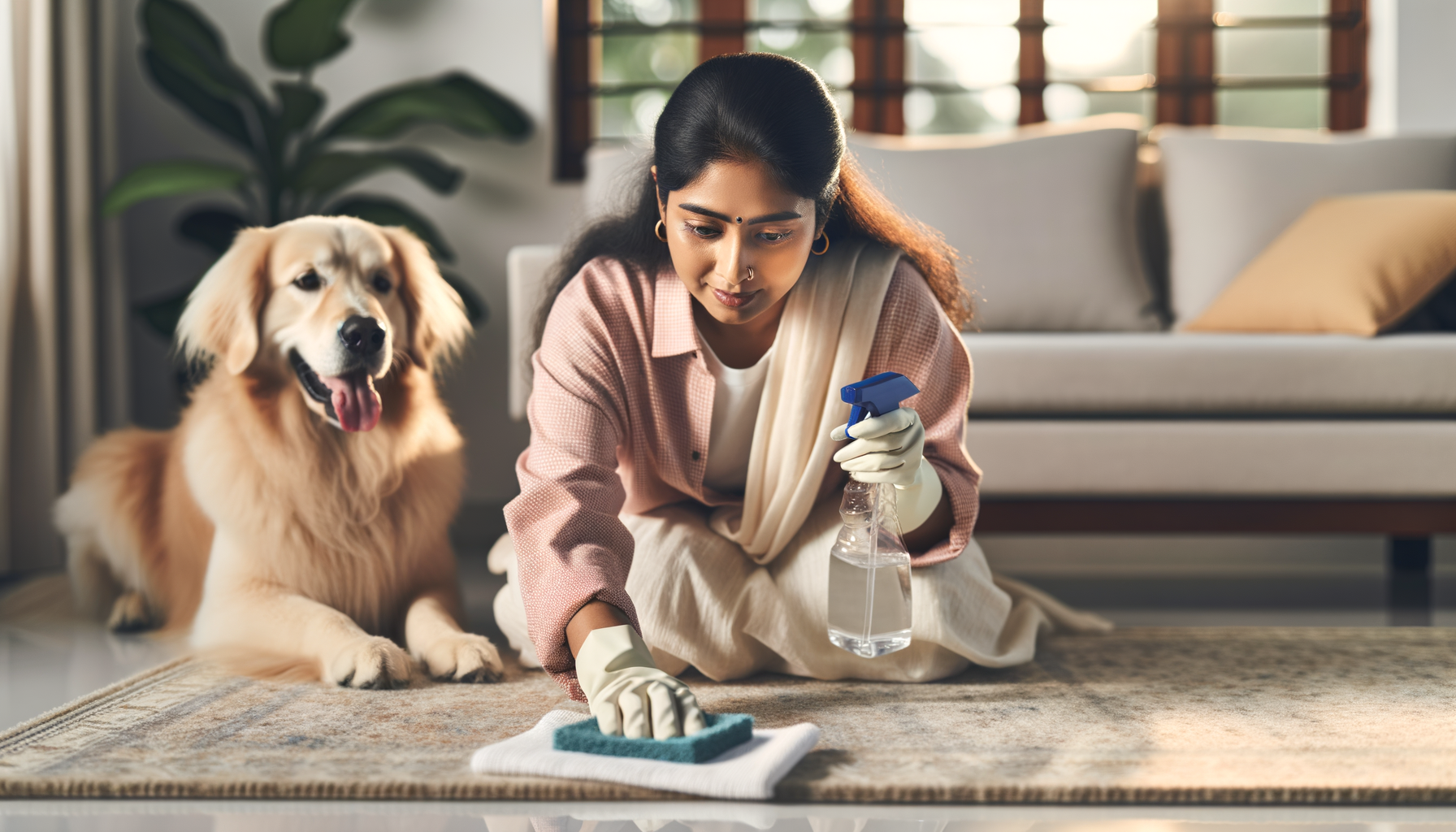
How to Remove Pet Urine Smell from Carpet
Pet urine on carpet is a two-part problem: the stain and the odour. Most cleaning methods handle one but not the other — which is why you can scrub a …

Pet urine on carpet is a two-part problem: the stain and the odour. Most cleaning methods handle one but not the other — which is why you can scrub a …
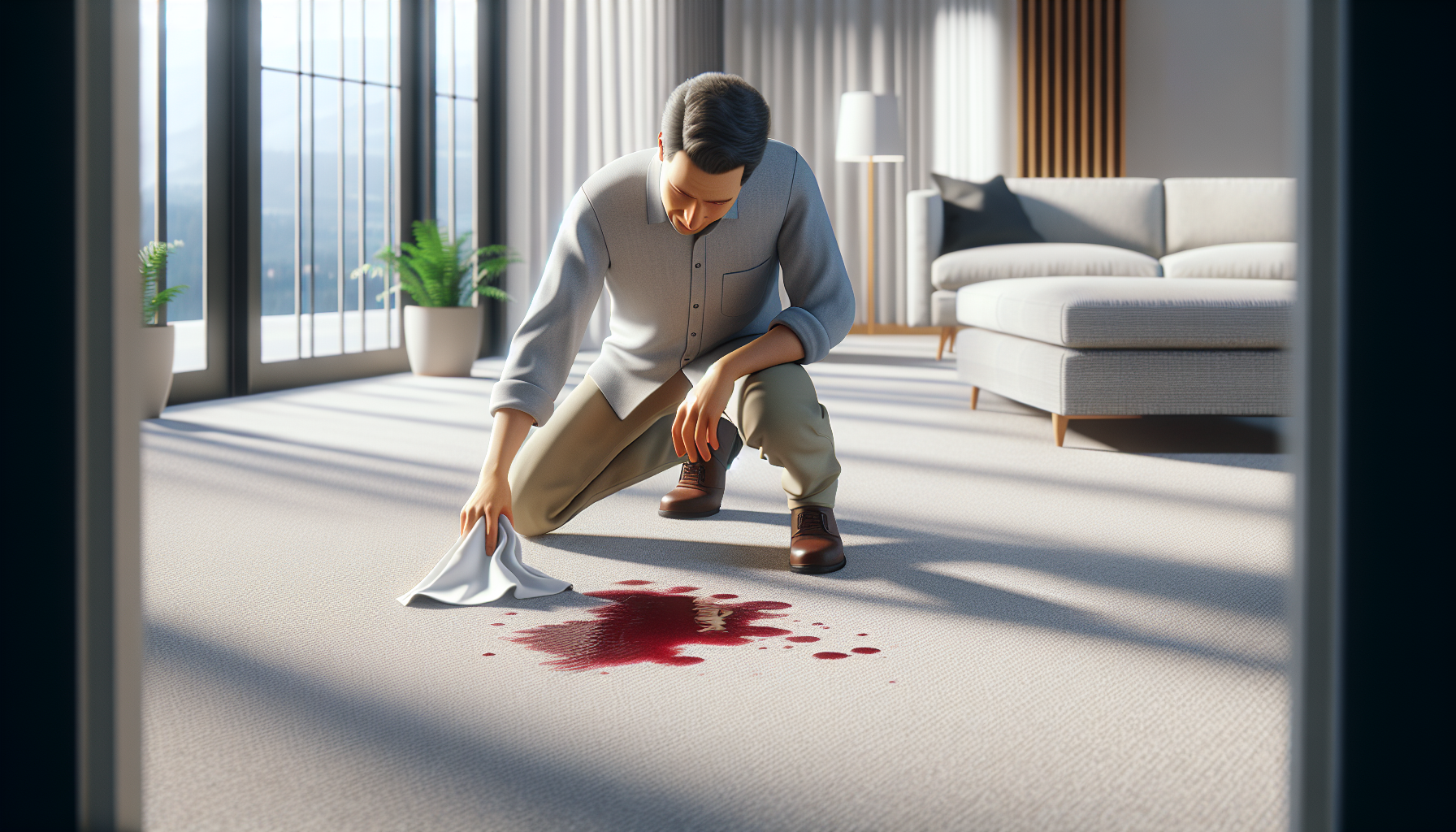
A red wine spill on carpet is one of those moments that feels catastrophic — but it doesn’t have to be. With the right response in the first few minutes, …
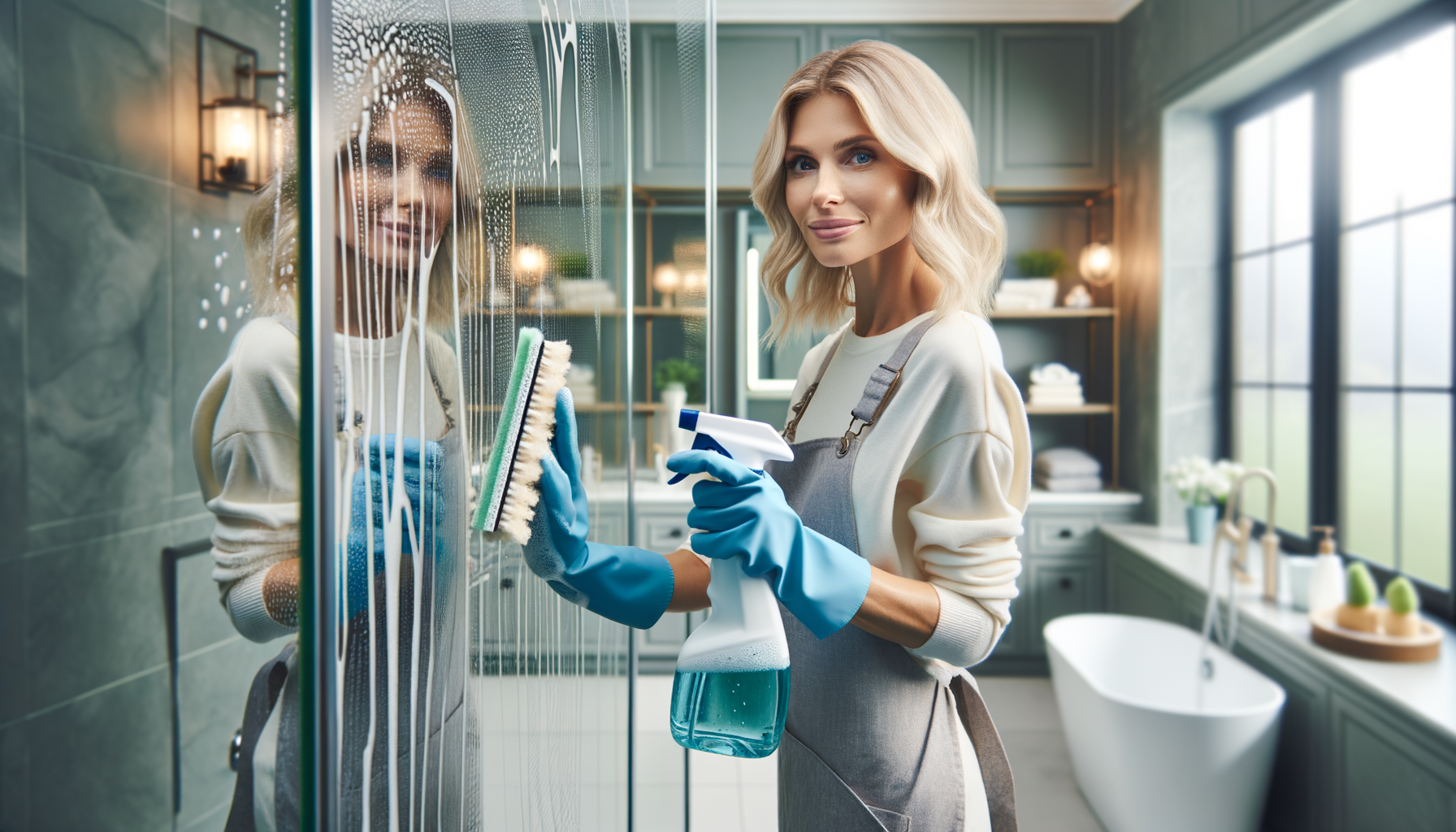
Soap scum is one of the most persistent bathroom cleaning problems — that chalky, filmy residue that coats shower doors, tiles, and fixtures. It builds up silently, wash after wash, …
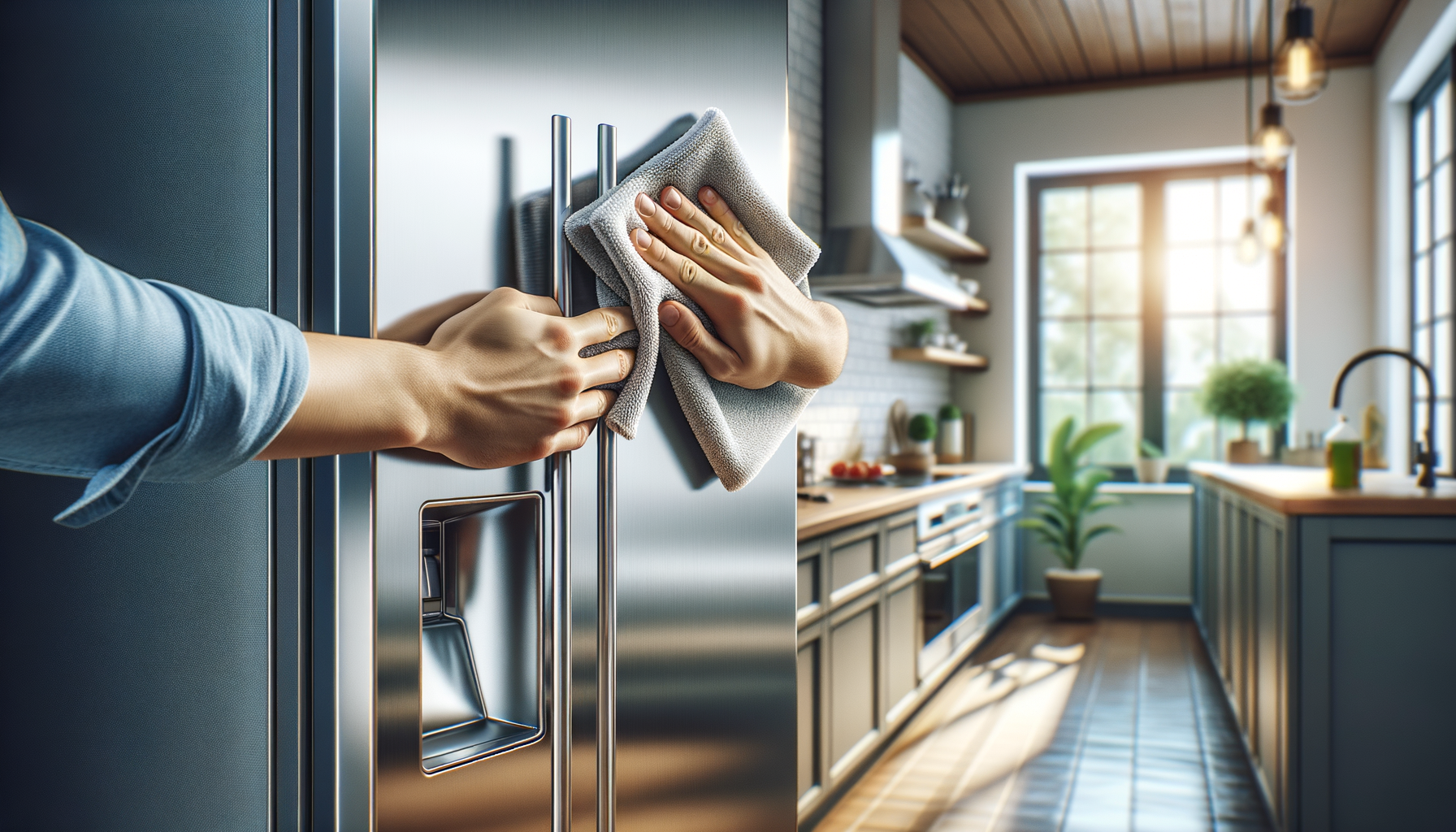
Stainless steel appliances look sleek when they’re clean and terrible when they’re not. Fingerprints, grease smears, and water spots show up immediately on that shiny surface — and the wrong …
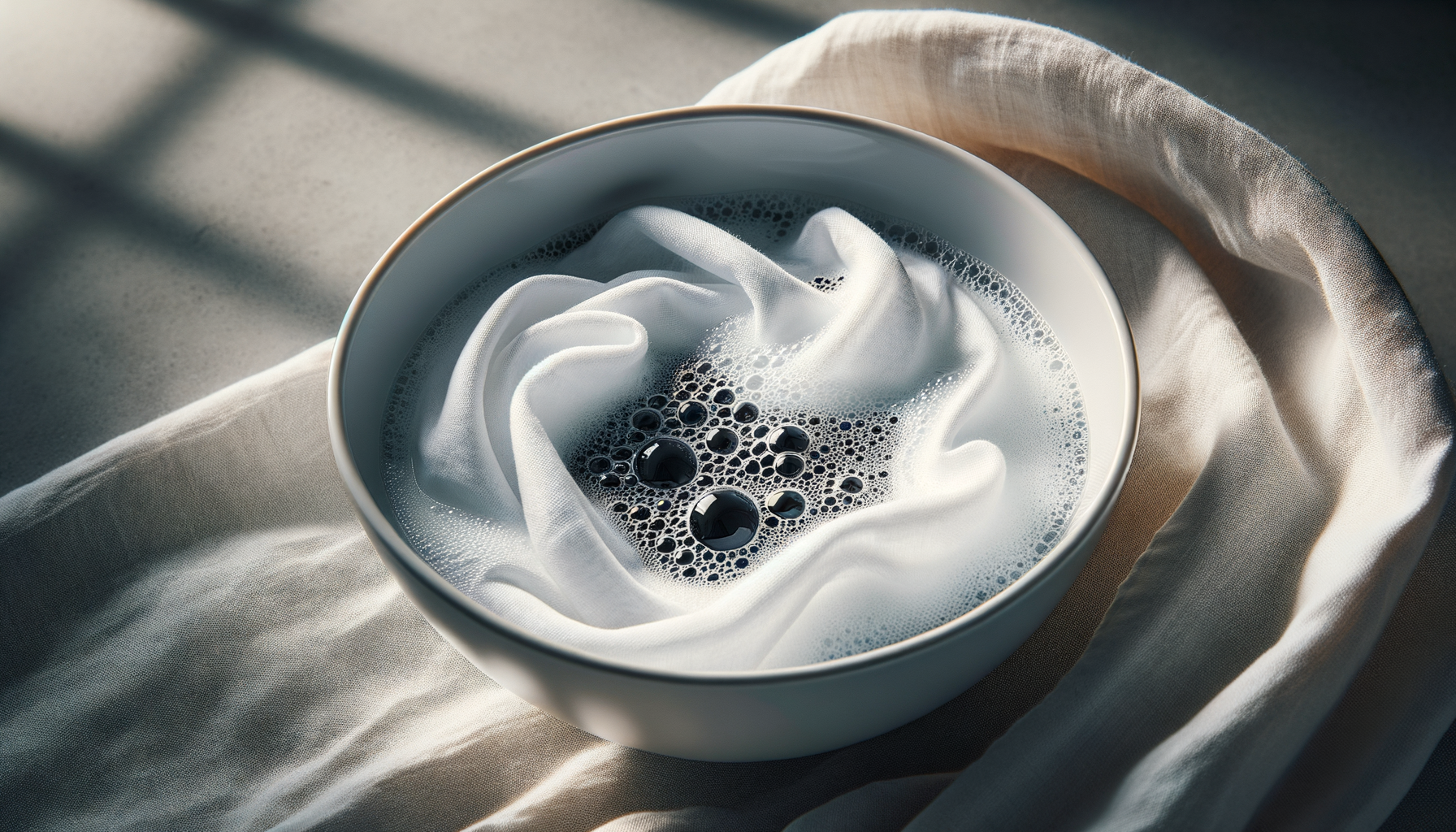
Blood stains are one of the most urgent laundry emergencies — the faster you act, the easier they come out. Fresh blood rinses away with cold water. Dry blood requires …
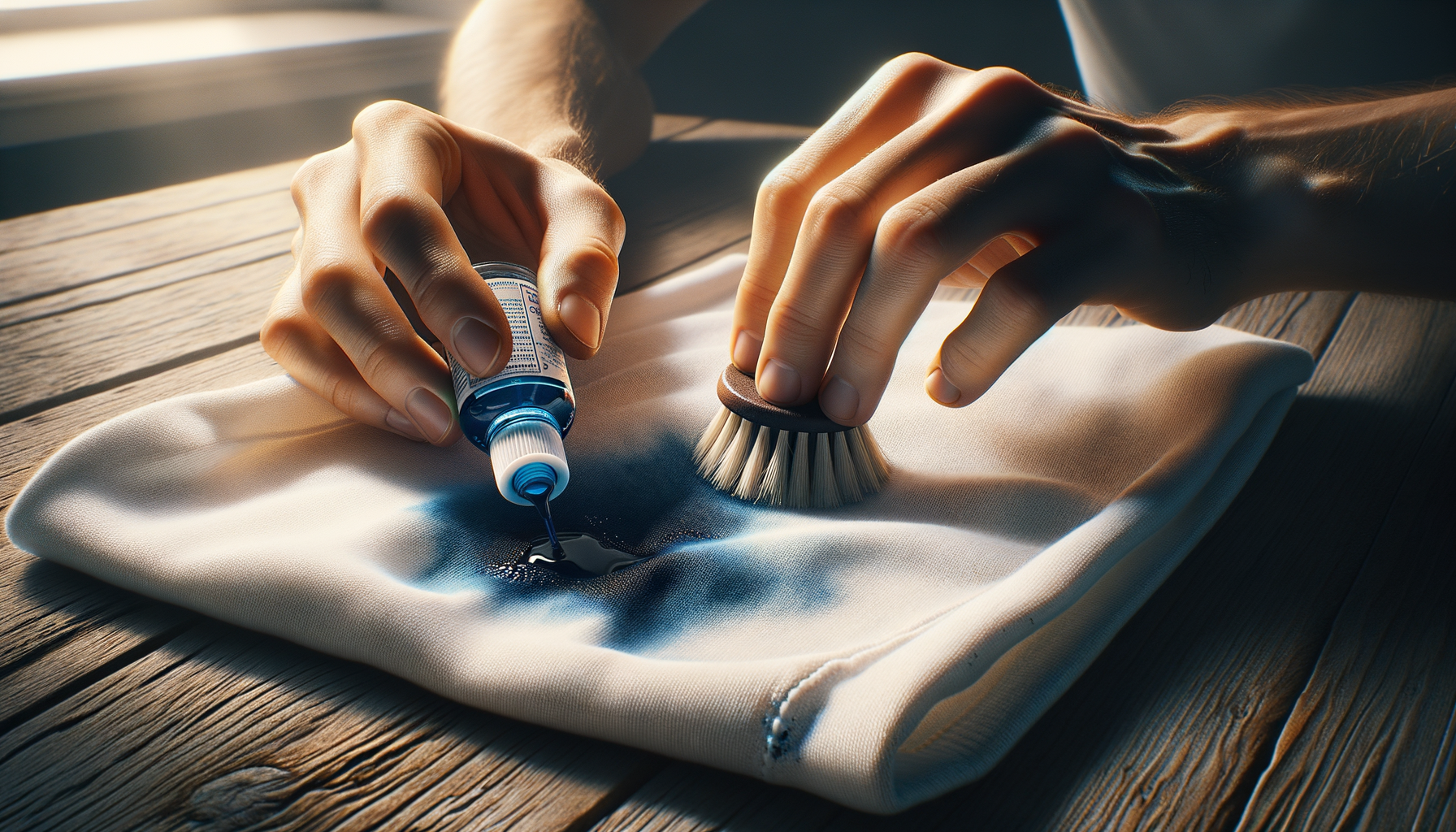
An ink stain might look permanent, but most ink stains come out completely if you treat them correctly — and the method depends almost entirely on what type of ink …

A machine that cleans your clothes shouldn’t need cleaning itself — except it absolutely does. Washing machines accumulate soap residue, mineral deposits, mildew, and bacteria over time, especially in front-loaders. …
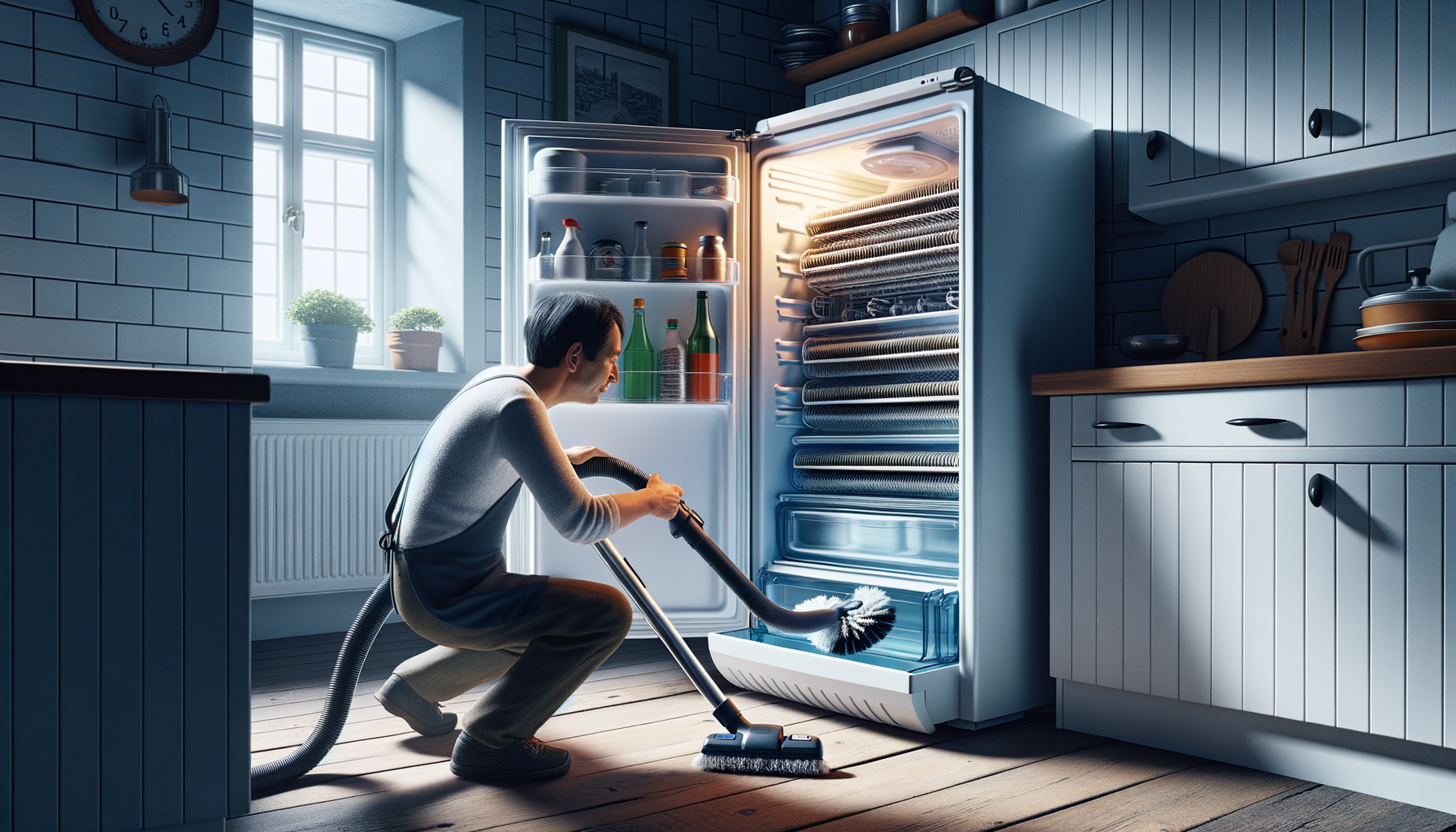
Most people clean the inside of their refrigerator regularly — the shelves, the drawers, the mysterious sticky spill from last month. But the coils on the back or bottom? Those …
Grease stains are among the most frustrating laundry problems — they seem to disappear when the fabric is wet, then reappear as a dark, oily shadow once the clothes are …
A clean home is maintained through consistency. An effective routine includes daily surface resets—such as wiping kitchen countertops, managing dishes, and quickly rinsing bathroom sinks—weekly focus tasks like vacuuming high-traffic …
With employees spending longer hours at their desks, maintaining a clean workplace is more important than ever. Imagine entering an office where desks are spotless, the air is fresh, and …